Diabetes is no longer just a lifestyle condition — it is a growing public health challenge, especially in India.
According to global health reports, India has over 100 million people living with diabetes, making it one of the highest-burden countries worldwide.
Yet, most people still manage diabetes reactively:
- Checking blood sugar occasionally
- Visiting doctors every few months
- Adjusting diet randomly
- Ignoring post-meal spikes
But diabetes is dynamic. Blood sugar levels fluctuate daily based on food, stress, sleep, and activity.
This is where IoT in diabetes management is transforming care.
What Is IoT in Diabetes Management?
IoT (Internet of Things) refers to digital health technology that connects devices and health tools through the internet to collect and organize real-time data.
In diabetes care, IoT-enabled monitoring may include:
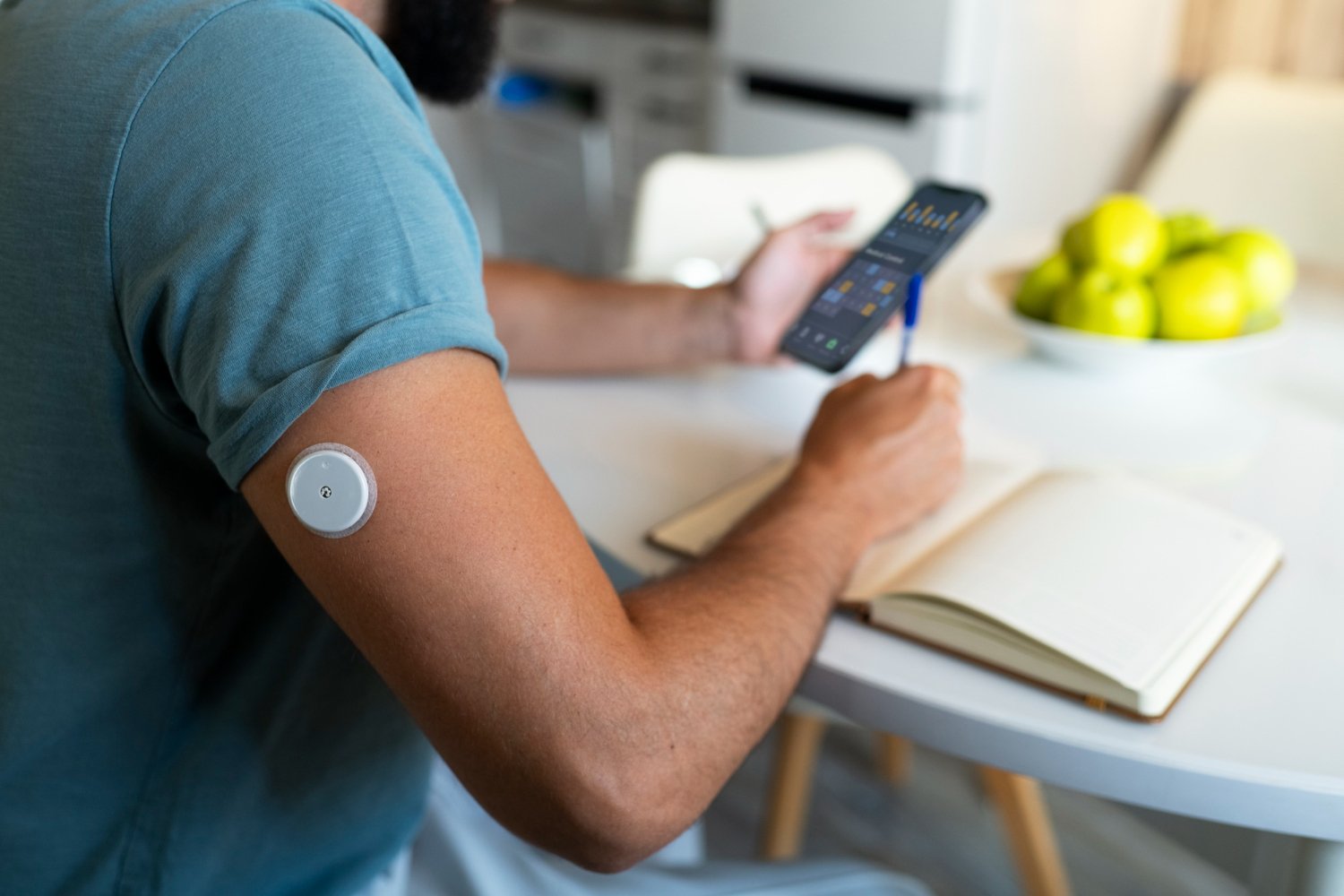
- Digital glucometers
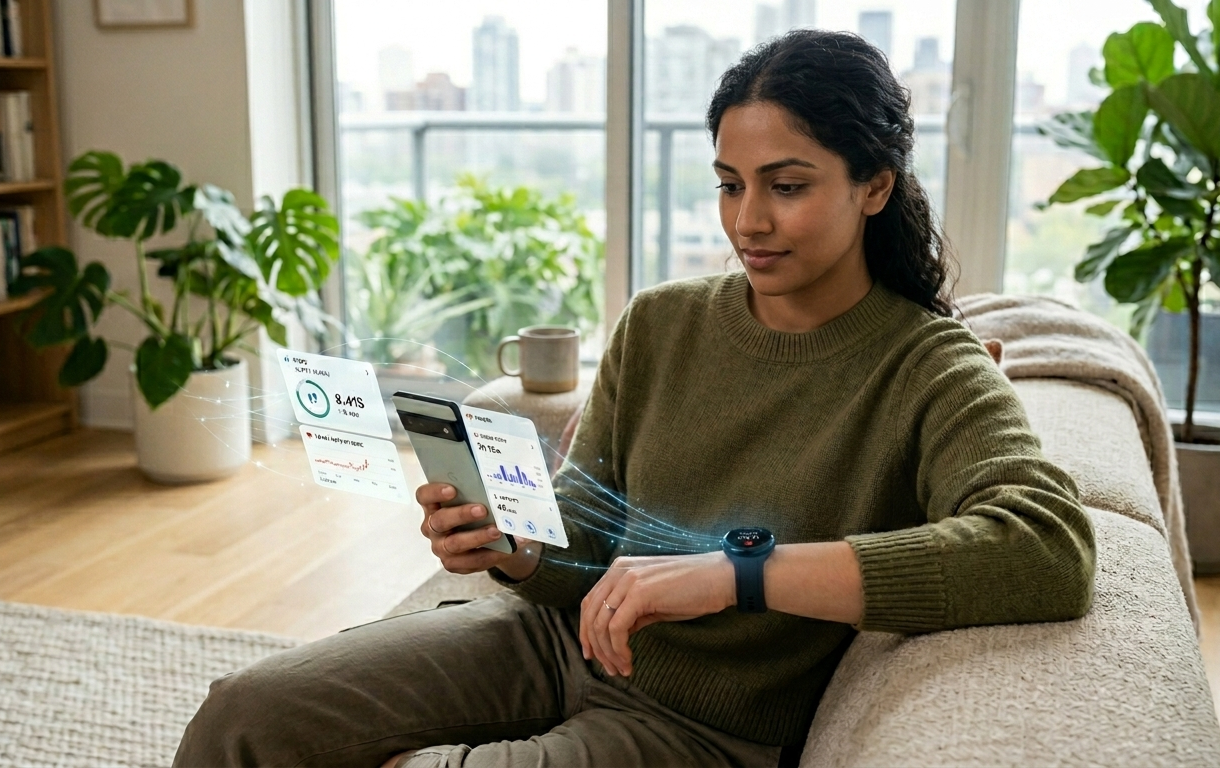
- Smart fitness trackers
- Diet logging systems
- Continuous health monitoring platforms
- Blood sugar tracking apps
These tools support smart diabetes tracking by helping individuals monitor their health in a structured and consistent way.
However, data alone is not enough.
The real power lies in identifying trends and patterns.
Why Continuous Diabetes Monitoring Is Important
1. Diabetes in India Is Rising Rapidly
India is witnessing an alarming increase in:
- Type 2 diabetes
- Early-onset diabetes
Lifestyle-related metabolic disorders
Despite this, many individuals only track fasting blood sugar — missing critical post-meal glucose spikes that significantly impact long-term control.
2. Studies Show Monitoring Improves Outcomes
Clinical research has consistently shown that:
- Structured diabetes monitoring improves HbA1c levels
- Continuous health monitoring reduces glucose variability
- Better glucose control lowers risk of heart disease, kidney damage, and nerve complications
What gets measured, gets improved.
The Problem: Inconsistent Blood Sugar Tracking
Diabetes is not a single-number disease.
Blood sugar levels fluctuate based on:
- Sleep quality
- Stress levels
- Meal timing and composition
- Physical activity
- Weight changes
Without consistent diabetes monitoring, these patterns go unnoticed.
And without understanding patterns, treatment becomes guesswork.
How Smart Diabetes Tracking Changes the Approach
1. Seeing Trends Instead of Isolated Readings
Instead of random numbers, structured monitoring helps individuals identify:
- Which foods cause sugar spikes
- How exercise affects glucose levels
- The impact of stress on blood sugar
- Improvements linked to weight loss
This pattern recognition leads to informed lifestyle decisions.
2. Better Medical Supervision
When patients maintain structured digital records:
- Doctors can make data-driven medication adjustments
- Risk of overtreatment or hypoglycemia reduces
- Progress toward glycemic control becomes measurable
IoT-based diabetes management strengthens doctor–patient collaboration.
3. Accountability Without Pressure
Daily logging of:
- Blood sugar levels
- Meals
- Physical activity
Encourages mindful behavior.
It shifts management from reactive to proactive.
Can Continuous Monitoring Support Type 2 Diabetes Reversal?
It is important to clarify:
Type 2 diabetes reversal (remission) is possible in early stages, but it requires:
- Sustainable weight loss
- Structured lifestyle intervention
- Medical supervision
- Consistent follow-up
Large international clinical trials have shown that significant weight reduction combined with structured programs led to remission in a considerable percentage of participants.
One common factor among successful individuals:
- Regular diabetes monitoring
- Measurable health tracking
- Structured accountability
Without monitoring, lifestyle changes lack direction.
With monitoring, progress becomes visible — and visibility drives motivation.
Why IoT-Based Diabetes Management Matters in India
In many Indian households:
- Blood sugar is checked only when symptoms appear
- Follow-ups are irregular
- Diets are carbohydrate-heavy
- Awareness of post-meal spikes is limited
Digital health technology and blood sugar tracking apps make structured monitoring more accessible — even in non-metro cities.
As smartphone penetration increases, smart diabetes management becomes more achievable across Tier 2 and Tier 3 cities.
The Bigger Shift in Diabetes Care
IoT in diabetes management represents a mindset change:
- From managing complications → To preventing complications
- From guess-based diet control → To data-informed decisions
- From occasional readings → To continuous health monitoring
This is the future of diabetes management in India.
Final Thoughts
Technology cannot cure diabetes.
But it can support better habits.
And better habits — practiced consistently — can significantly improve blood sugar control and reduce complications.
Smart diabetes tracking is not about complexity.
It is about clarity.
When health decisions are backed by data, outcomes improve.
And in a country facing a diabetes epidemic, informed management is not optional — it is essential.