

For decades, diabetes in India was largely associated with middle age and beyond. Today, that reality is changing rapidly.
Type 2 diabetes is no longer a condition seen primarily in individuals over 50. Increasingly, it is being diagnosed in professionals in their late 20s and 30s.
According to the International Diabetes Federation, India currently has over 77 million adults living with diabetes, and this number is projected to exceed 124 million by 2045. More concerning than the scale is the steady decline in the age of onset.
Urban professionals between 25 and 40 years of age are increasingly being diagnosed with:
This growing pattern is often informally described as “Corporate Diabetes” — a reflection of how modern work culture is influencing metabolic health.
A large national study published in The Lancet Diabetes & Endocrinology in 2023 (ICMR-INDIAB Study), led by the Indian Council of Medical Research, reported:
India is also witnessing one of the highest global rates of early-onset Type 2 diabetes.
The evidence clearly indicates that this is not merely genetic — it is largely lifestyle-driven.

Modern corporate roles involve extended periods of sitting — often 8 to 10 hours daily. Research has consistently shown that prolonged sedentary behavior is associated with:
A study published in Diabetologia demonstrated that even short breaks involving light movement can significantly improve glucose metabolism.
However, many professionals combine long sitting hours with long commutes and extended screen exposure at home. Even regular gym workouts may not fully counteract chronic inactivity.
Corporate environments are often high-pressure ecosystems. Deadlines, performance targets, job insecurity, and competitive growth expectations create sustained psychological stress.
Stress increases cortisol levels — a hormone that:
The American Diabetes Association has highlighted the link between chronic stress and poor glycemic control. Over time, unmanaged stress can contribute significantly to metabolic dysfunction.
In practical terms, prolonged job-related stress can indirectly strain pancreatic function and glucose regulation.
Many young professionals routinely sleep less than the recommended 7–8 hours per night.
Research published in Sleep Medicine Reviews shows that inadequate sleep:
Even short-term sleep restriction can impair metabolic balance. Over months and years, this compounds the risk of developing diabetes.
Corporate schedules often encourage irregular eating patterns:
India’s traditionally carbohydrate-dense dietary patterns, when combined with reduced physical activity, amplify glucose spikes. Repeated daily spikes can trigger a progression:
Elevated insulin levels → Insulin resistance → Prediabetes → Type 2 diabetes.
This progression may occur silently over several years.
A significant proportion of young Indians with diabetes are not visibly overweight.
Contributing factors include:
The World Health Organisation has noted that South Asian populations tend to develop diabetes at lower BMI thresholds compared to Western populations.
This makes early metabolic screening especially important — even for individuals who appear lean.
Young professionals between 25–40 years should be cautious if they experience:
Insulin resistance can exist for 5–10 years before diabetes is formally diagnosed. During this time, silent metabolic damage may already be occurring.
Diabetes affects more than blood sugar levels. It influences:
The International Diabetes Federation estimates that diabetes-related healthcare expenditure in India runs into billions annually — a substantial portion of which could be reduced through early prevention.
Professional success cannot compensate for declining metabolic health.
In many early cases, yes.
The landmark Diabetes Prevention Program Study demonstrated that structured lifestyle interventions can reduce progression to diabetes by up to 58%.
Effective preventive strategies include:
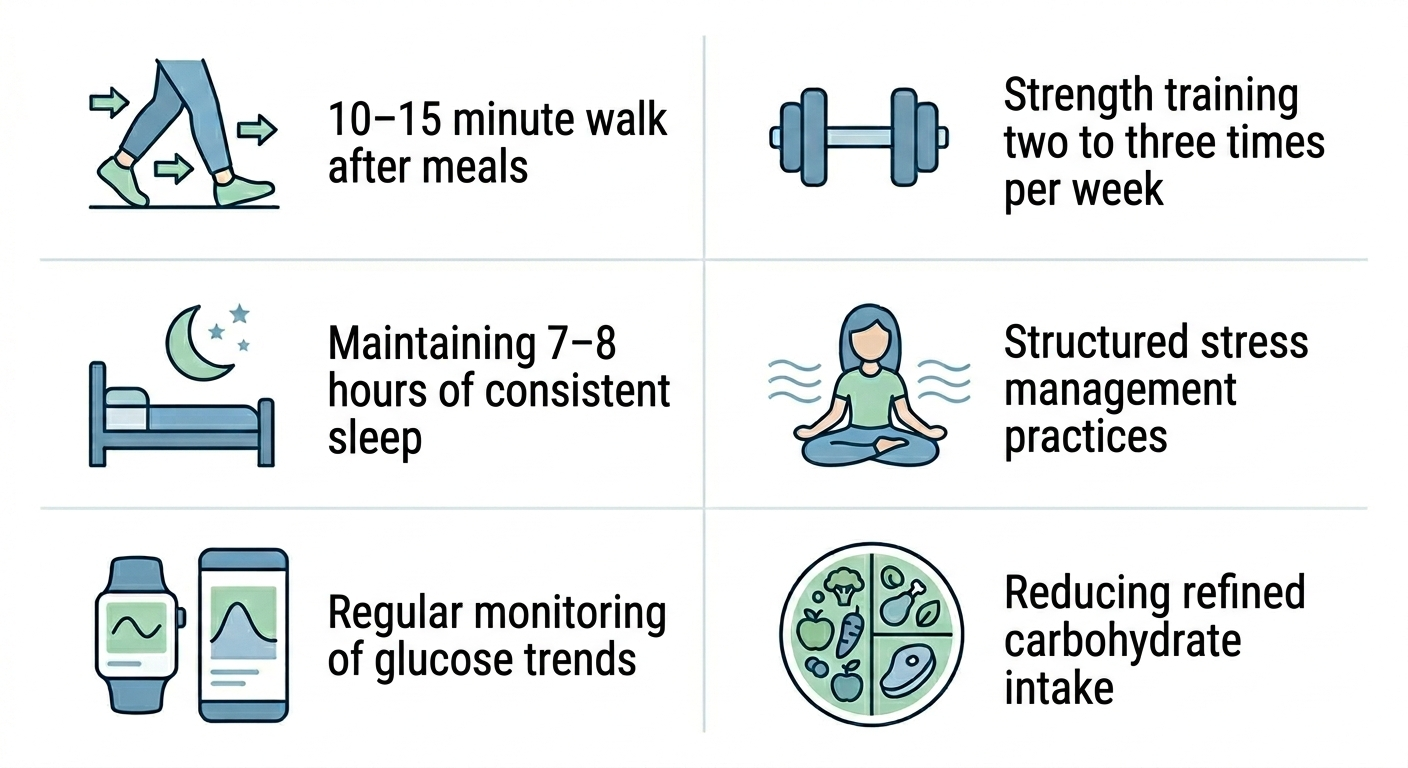
The emphasis should be on sustainable, consistent improvements rather than extreme short-term changes.
Modern diabetes care is moving toward:
For young professionals, metabolic health should be viewed as:
The demands of corporate life are unlikely to reduce. However, proactive health management can significantly alter long-term outcomes.
Corporate growth and personal ambition often dominate the 20s and 30s. Yet, metabolic health quietly determines long-term vitality, resilience, and performance.
Addressing risk factors early is not merely a medical decision — it is a strategic life decision.
Because in the long run, sustainable success depends not only on professional achievement, but also on metabolic strength.